Will plastic surgeons fix their mistakes?

cosmetic surgery seattle

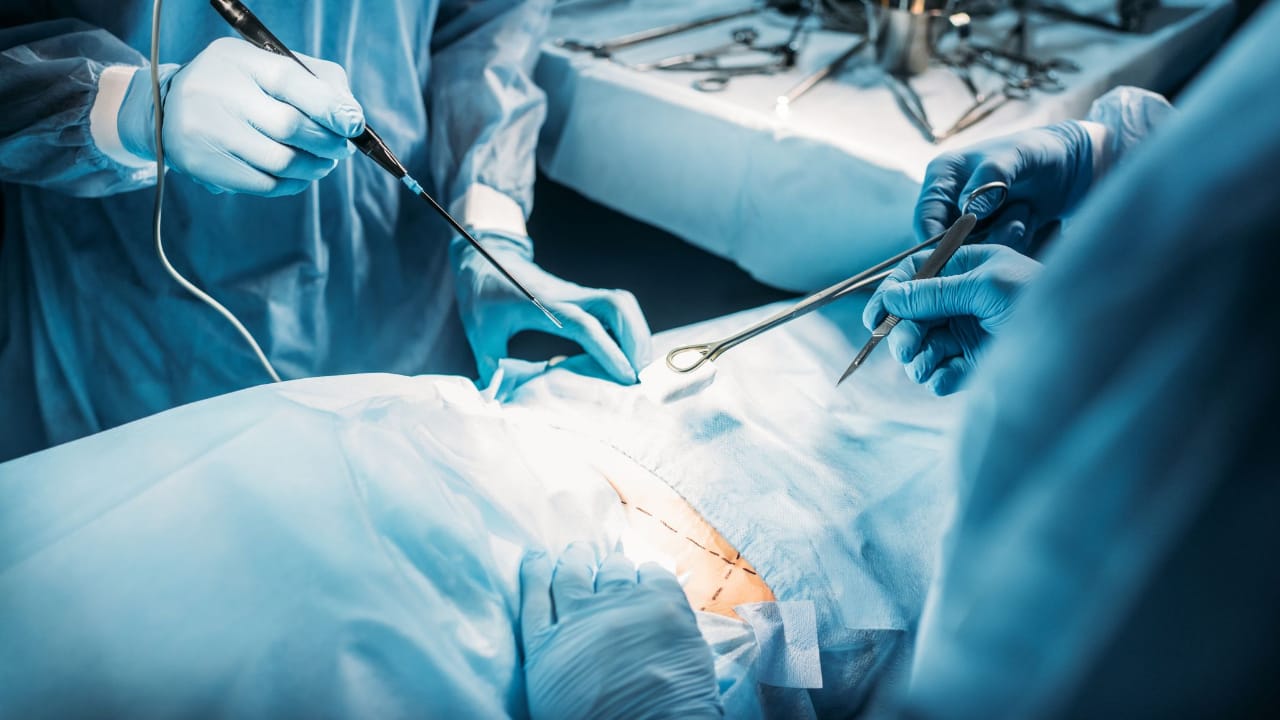
Understanding what you can expect from a cosmetic procedure is crucial before you decide to go ahead with it. Cosmetic surgery procedures are typically performed under general anaesthesia or IV sedation. There will be several planning meetings and consultations before you have your surgery. These consultations are to allow the surgeon to envision your desired look and address any issues. The anaesthesia will wear off after the surgery. After the surgery, you'll continue to be monitored until you are ready for home.

To ensure you're healthy enough to undergo cosmetic surgery, a preoperative exam will be required. Your general health will be checked as well as your existing health issues. You'll also be required to sign a consent form that allows your doctor to take photographs of you prior to your surgery. The procedure cost will then be estimated.

The practice of plastic surgery, a sub-specialty in medicine, focuses on giving the human body a new look. It includes reconstructive as well as cosmetic surgery. One of the main goals in plastic surgery is improving an individual's looks. Plastic surgeons will gain extensive experience and expertise during their training. They can offer patients the most effective results.

cosmetic surgery seattle

Relevance

seattle, patients, plastic surgeons, skin, breast, breast augmentation, seattle, wa, surgeon, neck, tummy tuck, board certified, scar, liposuction, breast lift, nose, rhinoplasty, surgery, surgical, botox, facelift, makeover, cosmetic, cosmetic surgery, yelp, nose job, facial trauma, tummy tuck, rhinoplasty, facial reanimation, brachial plexus palsies, plastic surgery procedures, face lift, maxillofacial trauma, telemedicine, platelet-rich plasma, bottom surgery, breast reduction, vascular anomalies, breast lift, nose, cosmetic surgery, surgery, brachial plexus, plastic surgery, cosmetic procedures, brazilian butt lift.

plastic surgeon seattle

Wikipedia says this about Seattle

Seattle is a seaport city on the West Coast of the United States. It is the seat of King County, Washington. With a 2020 population of 737,015,[2] it is the largest city in both the state of Washington and the Pacific Northwest region of North America. The Seattle metropolitan area's population is 4.02 million, making it the 15th-largest in the United States.[9] Its growth rate of 21.1% between 2010 and 2020 makes it one of the nation's fastest-growing large cities.[10]

Seattle is situated on an isthmus between Puget Sound (an inlet of the Pacific Ocean) and Lake Washington. It is the northernmost major city in the United States, located about 100 miles (160 km) south of the Canadian border. A major gateway for trade with East Asia, Seattle is the fourth-largest port in North America in terms of container handling as of 2021.[11]

plastic surgeon seattle

A plastic surgeon is a specialist who performs surgery to improve the appearance of a patient's face or other body parts.

It takes years to be a plastic surgeon.

He is skilled in reconstructive and facial surgery, as well as burns.

His expertise includes cosmetic surgery, which can be used to correct scarring.

The majority of plastic surgeons are found in hospitals and clinics.

This career requires a wide variety of skills, including hand-eye coordination, spatial awareness, organizational skills, and interpersonal skills.

Plastic surgeons must have excellent communication skills and be able to work in a team.

Additionally, most plastic surgeons have completed a four year medical degree.

A surgeon can practice in any state after they've graduated.

One plastic surgeon may be able tailor treatment to the needs of each patient.

He or she must be familiar with the patient's medical history, medications and preferred outcomes.

They will also talk about any potential complications.

Also, the surgeon will give detailed instructions to patients about what to do after surgery.

To become a surgeon, a physician must first complete residency training and then go to medical school.

The training includes both general and cosmetic surgery.

Plastic surgeons will learn about skin grafting and wound healing.

During the residency, plastic surgeons will perform clinical rotations and may conduct research.

Plastic surgeons can do a wide range of procedures including body lifts and tummy tucks.

The goal of these procedures is to improve a person's appearance by eliminating excess fat in the abdomen, restoring a youthful figure.

Also, "mommymakeovers" are performed by plastic surgery to restore women's looks before they have children.

The initial consultation involves a discussion with a doctor about the patient's history.

A physical exam is performed and then a plan of treatment will be developed.

Patients should ask any questions they may have about their surgeon's skills and past experience.

You can also inquire about the risks and benefits of each procedure and whether they're right for you.

If you are a surgeon, it is possible to treat severe burns and trauma victims.

Plastic surgeons also help patients with cancer, congenital abnormalities, and diseases by performing cosmetic surgeries.

These surgeries can provide lucrative income.

A plastic surgeon's salary can reach $194,121 per year.

Plastic surgeons also use microsurgery to transfer tissue to an area where it is needed.

A surgeon can remove tissue from one area by suturing veins and arteries that are only a millimeter in size.

These surgeons are also able to reconstruct damaged tissue and attach blood vessels.

The average entry-level plastics surgeon makes $290,000.506 annually.

But those with higher skills and a greater salary can open their own practice.

In addition, the demand for surgeons is expected to increase by 4 percent over the next decade, according to the U.S.

Bureau of Labor Statistics.

However, the growth in demand for surgeons is expected to be constrained by increasing out-of–pocket costs.

YouTube Video

YouTube Video

YouTube Video

YouTube Video

YouTube Video

plastic surgeon seattle Links:


Related Content:


Frequently Asked Questions

A 5-year medical degree, recognized by the General Medical Council, is required to become a cosmetic surgeon or plastic surgeon. A 2-year program of general training. 2 years of core surgery training at a hospital.

Plastic Surgery can be divided into two categories: reconstructive and cosmetic.